The Best Protein Sources For Vegetarians Muscle Building-
Your Complete Guide :
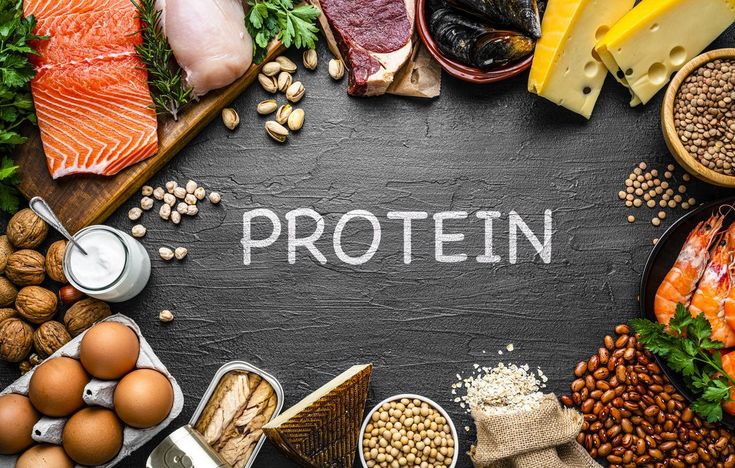
No Meat, No Problem: The Best Protein Sources For Vegetarian Muscle Building
If you are a vegetarian who enjoys working out, lifting weights, or maintaining a strong, lean body, you’ve likely faced the common question: “Where do you get your protein?” It’s a widespread belief that building significant muscle requires a diet filled with chicken and steak. We’re here to break that belief.
A well-planned, protein-rich vegetarian diet gives you all the building blocks—essential amino acids—that your body needs to repair and build strong muscles. In fact, many of the best protein sources for vegetarians are affordable, versatile, and packed with extra nutrients and fiber that meat doesn’t provide.
This ultimate guide will walk you through the top vegetarian protein sources, explain the important difference between complete and incomplete proteins, and give you a clear plan to help you meet your muscle-building goals.
Why is Protein So Crucial for Muscle Gain ?
Before we look at the food list, let’s understand the role of protein. Protein is not just good for you; it is essential for building muscle. Your muscles consist of protein. When you exercise, especially with strength training, you create tiny tears in your muscle fibers. Protein is the nutrient that repairs these tears, making the fibers thicker and stronger over time. This process is called muscle protein synthesis (MPS).
To maximize MPS and muscle growth, you need to eat enough high-quality protein throughout the day. For those aiming to build muscle, the general guideline is to consume between 1.6 and 2.2 grams of protein per kilogram, or 0.7 to 1 gram per pound, of body weight each day. A vegetarian diet can help you reach this goal.
These are the - Best Protein Sources for Vegetarians for Muscle Building :
To build muscle efficiently, your body requires all nine essential amino acids. Foods that contain all nine are called “complete proteins.” While animal products are complete, several plant-based and dairy options are also complete proteins, making them the gold standard for any vegetarian focused on muscle growth.
1. Soy Products (The Unstoppable Trio) :
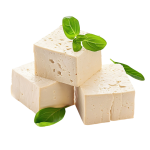
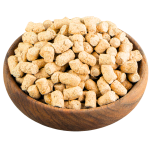
Soybeans and their derivatives are some of the best protein sources for vegetarians for building muscles. They are complete proteins and compete well with meat and whey when it comes to amino acid profiles.
- Tofu: Made from condensed soy milk, tofu is very versatile and absorbs the flavor of any marinade or spice. A 100g serving of firm tofu provides around 8-10g of protein. You can grill, scramble, or bake it.
- Tempeh: This Indonesian food is made from fermented soybeans, giving it a nuttier, firmer texture than tofu. It often has more protein, offering about 19-21g per 100g. The fermentation process also makes it easier to digest.
- Soy Chunks/Nuggets (Nutrela): Very popular, especially in India, these dehydrated nuggets are a budget-friendly option. They provide up to 52g of protein per 100g (dry weight), making them one of the most protein-rich foods in the world.
2. Quinoa (The Super Grain) :
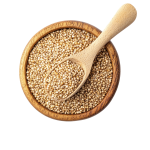
Often treated like a grain, quinoa is actually a seed that is unique among plant-based options because it is a complete protein.
- Protein Punch: One cup of cooked quinoa offers about 8 grams of protein. It also contains high amounts of fiber, magnesium, and iron.
- The Perfect Swap: Replace rice or couscous with quinoa in your meals. This simple change will boost your protein and complex carbohydrate intake, which is important for fueling tough workouts.
3. Dairy Powerhouses (For Lacto- Vegetarians) :

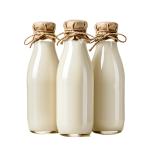
If your diet includes dairy, these products provide the best quality animal protein. They contain both fast-digesting whey and slow-digesting casein.
- Greek Yogurt: This is a muscle builder’s best friend. It’s strained to remove the whey, creating a thicker product with much higher protein than regular yogurt. One 170g (6oz) container can have 17-20g of protein.
- Paneer (Cottage Cheese): A favorite in many vegetarian cuisines, a 100g serving of paneer delivers about 18-20g of protein. It’s rich in casein, a slow-digesting protein that is great for a late-night snack to support muscle repair overnight.
- Milk: Simple, affordable, and effective. A single glass (about 250ml) provides about 8g of high-quality protein.
Final Thoughts -
These are my final thoughts on Top 10 Exercises to Get a Wide-Back – Building a Wider Back requires a balanced mix of vertical pulls (pull-ups, pulldowns) and horizontal pulls (rows). These Top 10 exercises target your lats, traps, and supporting muscles to help you achieve a strong, V-taper physique.
You just need to Stay consistent, focus on your technique, and keep pushing yourself. Your wide back will develop with time and effort.